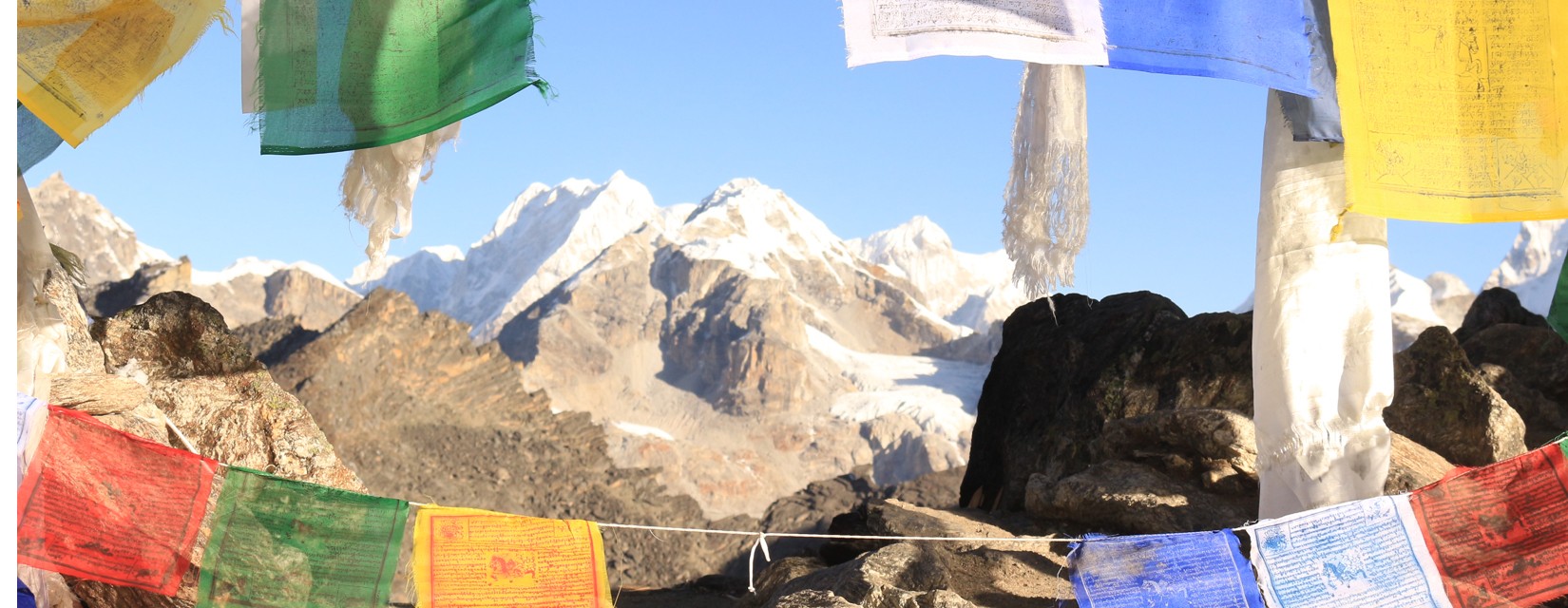
The Everest Base Camp Trek is one of the most unforgettable trekking adventures in the world. Located in Nepal's spectacular Khumbu region, this legendary Himalayan journey takes you through traditional Sherpa villages, peaceful Buddhist monasteries, dramatic mountain valleys, and breathtaking landscapes beneath Mount Everest, the highest mountain on Earth.
For many travelers, reaching Everest Base Camp is a lifelong dream. However, successful trekking in the Everest region requires more than excitement and a good pair of hiking boots. Understanding the altitude, trekking difficulty, weather conditions, preparation, accommodation, and local culture will help you enjoy a safer and more rewarding experience.
Whether you are planning your first Himalayan adventure or comparing different Nepal trekking packages, this guide from Himalayan Asia Treks explains nine essential things to know before starting the Everest Base Camp Trek.
1. How Many Days Do You Need for the Everest Base Camp Trek?
One of the most common questions travelers ask is, "How many days does it take to trek to Everest Base Camp?"
A standard Everest Base Camp Trek generally takes around 12–14 trekking and travel days, depending on your itinerary, acclimatization schedule, flight arrangements, and whether you include additional destinations.
Most classic itineraries begin with a flight from Kathmandu or another designated departure point to Lukla, followed by a trek through the Dudh Koshi Valley toward Namche Bazaar, Tengboche, Dingboche, Lobuche, and Gorak Shep before reaching Everest Base Camp.
A typical itinerary includes:
Arrival in Kathmandu and trip preparation.
Flight to Lukla and trekking to Phakding.
Trek from Phakding to Namche Bazaar.
Acclimatization and exploration around Namche Bazaar.
Trek through Tengboche and Pangboche toward Dingboche.
Acclimatization in Dingboche.
Trek to Lobuche and Gorak Shep.
Visit Everest Base Camp at approximately 5,364 meters.
Optional early-morning hike to Kala Patthar for panoramic Everest views.
Return trek through the Khumbu Valley and flight back to Kathmandu.
The exact itinerary varies by trekking package. Some trips take longer to provide additional acclimatization or include extra destinations.
Why is a longer itinerary beneficial?
The Everest Base Camp trail reaches a high altitude, where your body needs time to adapt to lower oxygen availability. A carefully planned itinerary allows you to walk at a manageable pace, rest when necessary, and reduce the risks associated with altitude.
If you have additional time, you can also consider the Everest Base Camp and Gokyo Lakes Trek, which combines the classic Everest route with beautiful glacial lakes and additional mountain scenery.
2. What Is the Best Time to Trek to Everest Base Camp?
Choosing the right season is essential for enjoying mountain views, comfortable trekking conditions, and a memorable experience in the Everest region.
The two most popular seasons for the Everest Base Camp Trek are spring and autumn.
Spring: March to May
Spring is one of the best times to trek to Everest Base Camp. The weather often becomes more stable, daytime temperatures gradually improve, and the lower valleys display colorful rhododendron forests.
Spring is particularly attractive for trekkers who want to experience:
Clear mountain views during favorable weather.
Blooming flowers and green landscapes at lower elevations.
Longer daylight hours for walking.
A lively atmosphere along the Everest trekking route.
April and early May are especially popular, although mountain weather can change quickly.
Autumn: September to November
Autumn is another excellent season for trekking in Nepal. After the monsoon rains begin to clear, the landscapes often become fresh, and the skies can offer spectacular views of Everest, Lhotse, Ama Dablam, and other Himalayan peaks.
Autumn is ideal for travelers looking for:
Excellent mountain photography opportunities.
Generally favorable trekking conditions.
Crisp mornings and comfortable walking temperatures at lower elevations.
Cultural experiences during Nepal's major festivals, depending on travel dates.
October and November are especially popular months, so advance booking is advisable.
Can You Trek to Everest Base Camp in Winter or Summer?
Winter trekking is possible for experienced and well-prepared trekkers, but freezing temperatures, snow, and challenging trail conditions require additional preparation.
The summer monsoon season, generally June through August, brings more rain to lower elevations and can affect mountain visibility, trail conditions, and flights to Lukla.
For most first-time trekkers, spring and autumn are the best starting points when choosing an Everest Base Camp Trek departure date.
3. How Difficult Is the Everest Base Camp Trek?
The Everest Base Camp Trek is generally considered a moderate-to-challenging high-altitude trek. It does not require technical mountaineering skills on the standard route, but it demands good physical preparation, determination, and an understanding of altitude-related risks.
The trek involves several hours of walking on most days, with stone steps, rocky paths, suspension bridges, uphill climbs, and downhill sections.
Some days can be physically demanding because of the distance, elevation gain, cold temperatures, or accumulated fatigue.
What Makes the Everest Base Camp Trek Challenging?
High altitude: Everest Base Camp sits at approximately 5,364 meters above sea level. The reduced oxygen availability can affect even physically fit hikers.
Long walking days: Trekkers commonly walk for several hours a day, depending on the itinerary and trail conditions.
Changing weather: Sunshine, wind, rain, snow, and freezing temperatures can occur during the journey.
Uneven terrain: Rocky trails, steep stone steps, and loose sections require suitable footwear and careful walking.
Limited facilities: Accommodation and services become more basic in some higher villages.
The most important challenge is often altitude rather than the technical difficulty of the trail. Walking slowly, taking planned acclimatization days, and following your guide's advice can make a significant difference.
Beginners can complete the trek if they prepare properly, choose a sensible itinerary, and understand that reaching Everest Base Camp is not a race.
4. How High Is Everest Base Camp, and What Is Altitude Sickness?
Everest Base Camp is approximately 5,364 meters (17,598 feet) above sea level. The popular Kala Patthar viewpoint reaches approximately 5,644 meters (18,517 feet), offering outstanding views of Mount Everest and surrounding peaks.
At these elevations, the body receives less oxygen with every breath than it does at sea level.
Altitude sickness, also known as acute mountain sickness (AMS), can affect trekkers regardless of their age, fitness, or previous hiking experience.
Common Symptoms of Altitude Sickness
Symptoms can include:
Do not ignore symptoms or assume that they are simply part of trekking.
Severe or worsening symptoms, particularly confusion, difficulty walking straight, or breathlessness at rest, require urgent medical attention and immediate descent with appropriate assistance.
How Can You Reduce Altitude Risks?
Follow an itinerary with appropriate acclimatization days.
Increase sleeping altitude gradually according to a suitable itinerary.
Walk slowly and avoid overexertion.
Drink fluids regularly and eat enough food.
Avoid ascending to a higher sleeping altitude when you have worsening altitude symptoms.
Tell your guide immediately if you feel unwell.
Discuss preventive medication with a qualified healthcare professional before your trip.
No itinerary can eliminate altitude sickness completely. Proper acclimatization and early recognition of symptoms are essential for a safer Everest Base Camp adventure.
5. How Much Does the Everest Base Camp Trek Cost?
The Everest Base Camp Trek cost depends on the duration, group size, trekking season, accommodation standards, guide and porter arrangements, transportation, and services included in the package.
A budget trek, a standard guided trek, and a luxury Everest Base Camp Trek can have substantially different prices.
When comparing trekking packages, check whether the price includes the following services:
Airport transfers and accommodation in Kathmandu.
Domestic flights or other transportation to and from the trekking region.
Required trekking permits and local fees.
An experienced trekking guide.
Porter services, if included.
Teahouse accommodation during the trek.
Meals during trekking days.
An acclimatization-focused itinerary.
Emergency assistance and logistical support.
Some packages exclude international flights, Nepal visa fees, personal trekking equipment, travel insurance, extra meals, tips, and personal expenses.
It is important to compare the complete package rather than choosing a trip based on the lowest advertised price alone.
A well-organized trekking package should clearly explain its inclusions, exclusions, accommodation arrangements, staff support, and emergency procedures.
Before booking your adventure, explore the Everest trekking options offered by Himalayan Asia Treks and choose a package that matches your budget, available time, and preferred comfort level.
6. What Should You Pack for the Everest Base Camp Trek?
Packing the right equipment can make your trek much more comfortable. Temperatures vary significantly between lower villages and high-altitude locations, so you should prepare for both mild daytime conditions and freezing nights.
The key is to use layers that you can add or remove as the weather changes.
Essential Clothing
Moisture-wicking trekking shirts.
Thermal base layers.
Warm fleece or insulated mid-layers.
A waterproof and windproof outer jacket.
A warm down or synthetic insulated jacket.
Trekking trousers and thermal leggings.
Waterproof trekking trousers.
Warm gloves and a winter hat.
Sun hat or cap.
Several pairs of trekking socks.
Comfortable sleepwear.
Footwear and Equipment
Well-fitting, broken-in trekking boots.
Comfortable camp shoes or sandals.
A suitable daypack.
Trekking poles.
Sleeping bag appropriate for the expected temperatures and accommodation arrangements.
Sunglasses with suitable UV protection.
Sunscreen and lip balm.
Reusable water bottles or a hydration system.
Water treatment supplies.
Headlamp and spare batteries.
Personal and Safety Essentials
Personal medication and a basic first-aid kit.
Personal toiletries.
Hand sanitizer and wet wipes.
Copies of important travel documents.
Travel insurance details and emergency contacts.
Portable charger and charging cables.
Some cash in Nepalese rupees.
You do not need to buy every item brand-new. Suitable trekking equipment can often be rented or purchased in Kathmandu.
For a more detailed checklist, read the Himalayan Asia Treks guide to the Nepal trekking gear list.
7. What Accommodation and Food Can You Expect on the Everest Base Camp Trek?
The Everest Base Camp trekking route is well known for its network of teahouses and mountain lodges. These provide trekkers with a place to sleep, eat, rest, and meet other travelers along the trail.
Accommodation is generally simple and practical, particularly at higher elevations.
Teahouse Accommodation
Most standard trekking packages use local teahouses or lodges. Rooms commonly have twin beds, mattresses, pillows, and blankets, but facilities differ between villages and properties.
In some locations, toilets and showers are shared. Hot showers, Wi-Fi, device charging, and heated dining areas may cost extra or have limited availability.
At higher elevations, temperatures inside bedrooms can be very cold, so a suitable sleeping bag is useful even when blankets are provided.
Luxury lodge options are available on some sections of the Everest route, offering a higher level of comfort at a higher cost.
Food Along the Trail
You can generally find a variety of meals at teahouses, including:
Dal bhat, a traditional Nepali meal of rice, lentils, and vegetables.
Noodles and noodle soup.
Fried rice.
Pasta and other simple Western-style meals.
Soups and potatoes.
Porridge, eggs, bread, and pancakes.
Tea, coffee, and other hot drinks.
Dal bhat is a popular trekking meal because it provides carbohydrates and other nutrients needed for long walking days.
As you climb higher, food prices generally increase because supplies are transported into remote mountain communities.
Eating regular meals, drinking safe water, and carrying a few suitable snacks can help you maintain your energy throughout the trek.
8. How Should You Train for the Everest Base Camp Trek?
You do not need to be an elite athlete to complete the Everest Base Camp Trek. However, preparing your cardiovascular fitness, leg strength, balance, and endurance several months before departure can make the experience more enjoyable.
Ideally, begin a structured training routine around 8–12 weeks before your trip, or earlier if you are new to regular exercise.
Recommended Training Activities
Walking and hiking: Start with shorter walks and gradually increase the duration. Practice on hills and uneven terrain when possible.
Cardiovascular exercise: Brisk walking, cycling, swimming, or jogging can help improve your endurance.
Strength training: Exercises such as step-ups, squats, lunges, and calf raises can strengthen the muscles used during uphill and downhill walking.
Stair training: Walking up and down stairs helps prepare your legs for the stone steps found on the Everest trail.
Practice hikes with a backpack: Gradually introduce a comfortable backpack with a modest load to become familiar with walking while carrying your essentials.
Build a Realistic Training Routine
A practical weekly plan might include three days of walking or cardiovascular exercise, two days of strength training, and one longer hike, with at least one recovery day.
Increase your activity gradually rather than suddenly attempting very long hikes.
Training improves your physical readiness, but it does not prevent altitude sickness. Even highly fit athletes need a sensible itinerary and sufficient time to acclimatize.
If you have a medical condition or have concerns about exercising at high altitude, consult a healthcare professional before booking.
9. Is the Everest Base Camp Trek Safe, and Should You Hire a Guide?
The Everest Base Camp Trek is a well-established trekking route, but it takes place in a remote mountain environment where weather changes, altitude sickness, injuries, and transportation disruptions can occur.
Good planning, responsible trekking practices, and appropriate support can help reduce risks.
Why Consider Trekking With a Guide?
An experienced local guide can help you understand the route, learn about Sherpa culture, manage daily trekking arrangements, and recognize potential problems.
A guide can also assist with communication, lodge arrangements, and decisions about changing conditions.
A porter, if included in your package, can carry an agreed portion of your luggage so that you can focus on walking. Discuss luggage limits and porter arrangements with your trekking company before departure.
For independent trekkers, it is important to check current Nepal trekking regulations and applicable requirements before travel, as rules can change.
Essential Safety Tips
Choose a realistic itinerary with sufficient acclimatization.
Follow your guide's advice about pace, weather, and altitude.
Carry appropriate clothing, footwear, and essential medication.
Maintain travel insurance that explicitly covers high-altitude trekking and emergency helicopter evacuation when required.
Understand the insurance exclusions and altitude limits.
Keep emergency contacts and insurance documents accessible.
Follow local guidance during adverse weather or flight disruptions.
Never continue ascending when experiencing worsening altitude sickness.
A responsible trekking company should explain the itinerary, included services, safety procedures, and emergency arrangements before your journey begins.
Why Choose Himalayan Asia Treks?
Himalayan Asia Treks helps travelers explore Nepal through organized trekking adventures, local knowledge, and itineraries designed around individual travel needs.
Whether you are planning a classic Everest Base Camp adventure, an extended trek through the Gokyo Lakes region, or a more demanding high-pass journey, choosing the right itinerary is an important first step.
Before booking, discuss your trekking experience, preferred travel dates, group size, fitness level, and accommodation expectations with the team.
You can also explore the Everest Base Camp and Gokyo Lakes Trek if you want to combine the classic Everest experience with the beautiful Gokyo Valley.
Frequently Asked Questions About the Everest Base Camp Trek
1. Can beginners complete the Everest Base Camp Trek?
Yes. Beginners can complete the trek with appropriate physical preparation, a suitable itinerary, gradual acclimatization, and an understanding of the challenges of high-altitude walking. Previous trekking experience is helpful but not essential.
2. How many kilometers is the Everest Base Camp Trek?
The distance depends on the starting point and itinerary. A typical Lukla-to-Everest Base Camp route and return covers approximately 120–140 kilometers on foot, although individual itineraries can vary. Additional hikes, including Kala Patthar, increase the total distance.
3. What is the highest point of the Everest Base Camp Trek?
Everest Base Camp is approximately 5,364 meters above sea level. Many itineraries also include Kala Patthar, at approximately 5,644 meters, for a closer panoramic viewpoint of Mount Everest.
4. Is a guide necessary for the Everest Base Camp Trek?
Hiring an experienced guide can improve logistical support, cultural understanding, and safety awareness. Check the current trekking regulations and requirements that apply to your route and travel dates before departure.
5. What is the best month for the Everest Base Camp Trek?
April and October are among the most popular months because they fall within the spring and autumn trekking seasons. Actual conditions vary, and no month guarantees clear skies or uninterrupted flights.
6. Can I trek to Everest Base Camp without climbing Mount Everest?
Yes. The Everest Base Camp Trek is a trekking adventure, not a summit expedition. You walk to the base camp area without climbing Mount Everest. Reaching the summit requires a separate mountaineering expedition and specialized equipment.
7. Do I need travel insurance for the Everest Base Camp Trek?
Travel insurance is strongly recommended. Choose a policy that specifically covers trekking at your planned maximum altitude, medical treatment, and emergency evacuation, including helicopter evacuation where applicable.
8. Are there hotels or teahouses on the Everest Base Camp route?
Yes. The route has teahouses and mountain lodges offering accommodation and meals. Facilities become more basic at higher elevations, and the level of comfort varies by village and property.
9. Is the Everest Base Camp Trek worth the cost?
For travelers who enjoy mountain scenery, hiking, cultural experiences, and personal challenges, the trek can be a highly rewarding adventure. The value depends on your interests, budget, chosen itinerary, and the quality of services provided.
Plan Your Everest Base Camp Trek With Himalayan Asia Treks
The Everest Base Camp Trek is much more than a walk toward the world's highest mountain. It is a journey through the heart of the Khumbu region, where Himalayan landscapes, Sherpa hospitality, Buddhist traditions, and the determination of fellow trekkers make every day memorable.
By choosing the right season, preparing your fitness, packing suitable equipment, allowing enough time for acclimatization, and understanding the costs and challenges, you can approach this adventure with greater confidence.
Whether you are a first-time trekker or an experienced hiker seeking your next Himalayan journey, careful preparation will help you make the most of your time in Nepal.
Ready to plan your Everest adventure? Contact Himalayan Asia Treks to discuss available departure dates, trekking itineraries, accommodation options, and package costs. Choose a journey that matches your schedule, budget, and trekking goals, and begin planning your unforgettable adventure to the foot of Mount Everest.