Nepal Trekking in Winter: Best Winter Treks in Nepal for December, January & February
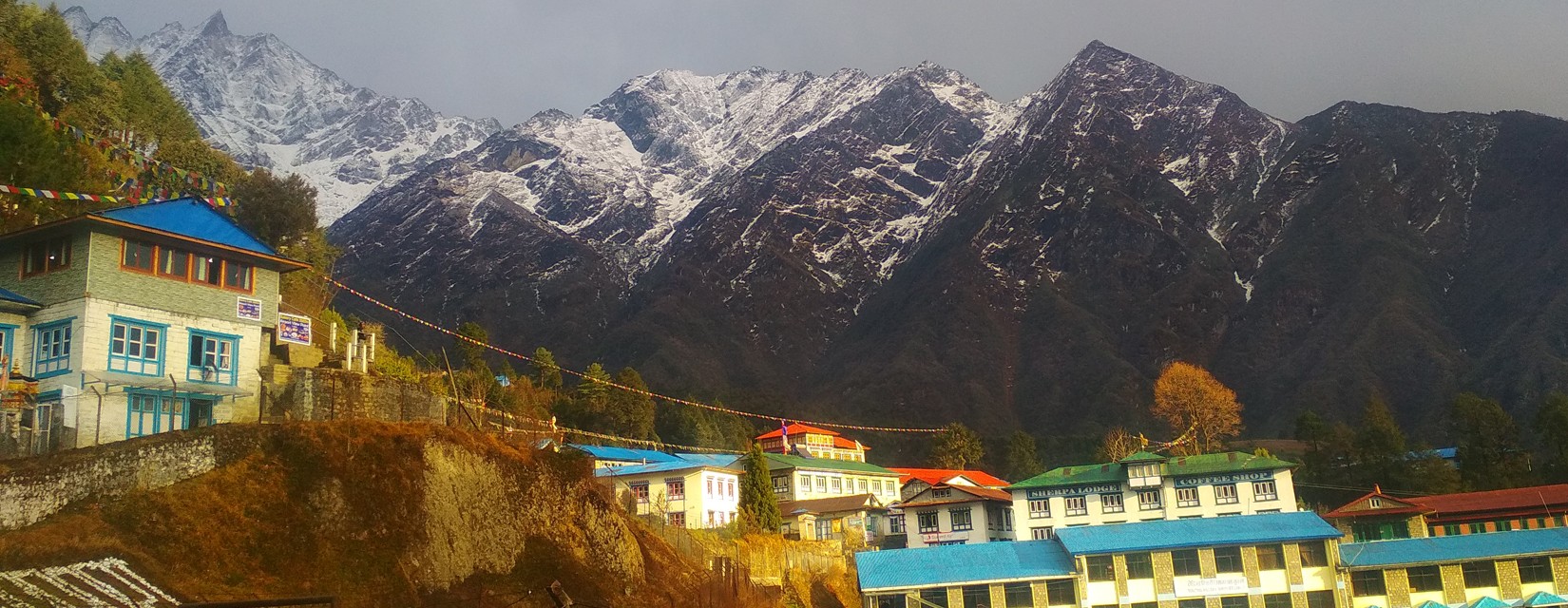
Winter trekking in Nepal is a wonderful way to experience the Himalayas without the crowds of the main trekking seasons. From December to February, mountain trails become quieter, the air is often crisp and clear, and snow-covered peaks create a spectacular Himalayan landscape.
If you are wondering whether Nepal is good for trekking in winter, the answer is yes—but choosing the right route is important. Lower and moderate-altitude trekking routes are generally more suitable during the cold season, while high mountain passes can become difficult or inaccessible after heavy snowfall.
For travelers who want peaceful trails, dramatic mountain views, beautiful winter scenery, and authentic Himalayan village experiences, Nepal winter trekking can be an unforgettable adventure.
Himalayan Asia Treks offers guided trekking experiences throughout Nepal and can help travelers choose a winter trekking route according to their time, fitness, experience, and weather conditions.
Is Winter a Good Time for Trekking in Nepal?
Yes, winter can be an excellent time for trekking in Nepal, especially on lower and moderate-altitude routes.
The winter season in Nepal generally covers December, January, and February. These months bring colder temperatures, particularly at higher elevations, but they can also offer excellent mountain visibility and quieter trails.
Winter trekking is different from trekking in spring or autumn. You should expect cold mornings and nights, possible snow at higher elevations, shorter daylight hours, and changing trail conditions.
However, the rewards can be impressive:
- Peaceful trekking trails
- Fewer trekkers and tourists
- Clear Himalayan views on suitable weather days
- Snow-covered mountain landscapes
- Beautiful sunrise and sunset photography
- More relaxed experiences in many mountain villages
- Excellent opportunities for short and moderate treks
- A quieter experience of Himalayan culture and hospitality
The key is not simply asking, “Can I trek in Nepal in winter?” The better question is, “Which Nepal trek is suitable for winter?”
That depends mainly on altitude, route conditions, snowfall, accommodation availability, and your trekking experience.
Why Go Trekking in Nepal in Winter?
Winter may not be the first season that comes to mind when planning a Nepal trekking holiday, but it has several unique advantages.
1. Fewer Crowds on the Trekking Trails
October and November are among the busiest trekking months in Nepal. Spring is also popular.
Winter is much quieter.
If you prefer walking through mountain villages without large groups around you, winter can provide a more peaceful experience. You may have more opportunities to enjoy the scenery, talk with local people, and experience the Himalayan environment at a slower pace.
2. Beautiful Himalayan Views
Clear winter days can provide spectacular views of snow-covered mountains.
Depending on the trekking route and weather, you may see peaks such as:
- Mount Everest
- Lhotse
- Nuptse
- Ama Dablam
- Annapurna I
- Annapurna South
- Machhapuchhre
- Dhaulagiri
- Manaslu
- Langtang Lirung
- Ganesh Himal
For photographers, winter can be particularly rewarding because snowy landscapes and clear mountain horizons create dramatic compositions.
3. Snow-Covered Himalayan Landscapes
If you want to see Nepal's mountains wearing their winter coat, December through February can be a beautiful time to visit.
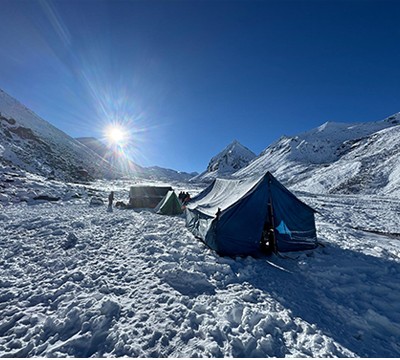
Depending on elevation and recent snowfall, trails may pass through snowy forests, frozen streams, icy paths, and snow-covered mountain settlements.
The landscape changes considerably as you gain altitude.
4. Quiet Mountain Villages
Winter brings a different atmosphere to Himalayan communities.
Instead of busy trekking trails and crowded dining rooms, you may experience quieter villages, peaceful mornings, warm teahouses, and more personal interaction with local hosts.
5. Good Choice for Short Winter Treks
You do not need to spend two or three weeks in the mountains to experience winter trekking in Nepal.
Several short trekking routes are suitable for travelers who have limited time.
Examples include:
- Ghorepani Poon Hill Trek
- Ghandruk Trek
- Everest View Trek
- Everest Panorama Trek
- Short Mardi Himal Trek
- Short Langtang Trek
These routes can be particularly attractive for first-time visitors and travelers who want Himalayan scenery without committing to a very long high-altitude expedition.
Best Winter Treks in Nepal
Not every trekking route is equally suitable during winter.
The following are some of the routes worth considering when planning trekking in Nepal in December, January, or February.
1. Ghorepani Poon Hill Trek
Best for: Beginners, families, photographers, short trekking holidays
The Ghorepani Poon Hill Trek is one of the most popular short treks in the Annapurna region and one of the most attractive choices for winter.
The route passes through traditional mountain villages, forests, stone stairways, and beautiful viewpoints before reaching Poon Hill.
The sunrise from Poon Hill is the major attraction.
Early in the morning, trekkers can watch sunlight gradually illuminate the Annapurna and Dhaulagiri mountain ranges.
Why choose Poon Hill in winter?
- Short trekking duration
- Moderate walking
- Excellent mountain views
- Beautiful sunrise
- Traditional Gurung and Magar villages
- Suitable for many first-time trekkers
- Lower altitude than major Himalayan pass routes
- Good option for travelers with limited time
If you are searching for the best easy winter trek in Nepal, Poon Hill is one of the routes worth considering.
2. Ghandruk Trek
Best for: Beginners, families, culture lovers, short holidays
Ghandruk is a beautiful traditional Gurung village in the Annapurna region.
A winter trek to Ghandruk offers a combination of mountain scenery and Himalayan culture without requiring a very high-altitude journey.
From the village, trekkers can enjoy views of the Annapurna range and Machhapuchhre while experiencing traditional houses, local food, and village hospitality.
The Ghandruk area is particularly suitable for travelers who want a relaxed Himalayan experience rather than a demanding high-altitude expedition.
3. Mardi Himal Trek
Best for: Scenic trekking, adventure seekers, photographers
The Mardi Himal Trek has become one of Nepal's popular short Himalayan trekking routes.
The trail passes through forests and mountain ridges before reaching higher viewpoints with impressive views of Machhapuchhre and the Annapurna range.
Winter adds a completely different character to the route.
Fresh snow can transform the upper trail into a dramatic Himalayan landscape. However, conditions at higher elevations can become icy or snowy, so trekkers should be prepared with suitable clothing, footwear, and equipment.
Mardi Himal winter highlights
- Machhapuchhre views
- Annapurna mountain panorama
- Forest trekking
- Quiet trails
- Snowy landscapes
- Beautiful sunrise and sunset
- Shorter itinerary compared with many long Himalayan treks
Mardi Himal is a good option for travelers looking for an adventurous winter trek in Nepal without committing to a very long expedition.
4. Langtang Valley Trek
Best for: Mountain scenery, culture, experienced hikers seeking a quieter route
The Langtang Valley Trek is one of the closest major trekking areas to Kathmandu.
The journey combines mountain scenery, Tamang culture, Buddhist monasteries, forests, rivers, and high Himalayan landscapes.
The upper Langtang region can receive snow during winter, so conditions should be checked before departure.
The route becomes particularly beautiful when surrounding peaks and forests are covered in snow.
Langtang winter trekking highlights
- Langtang Lirung mountain views
- Kyanjin Gompa
- Tamang villages
- Buddhist culture
- Snow-covered landscapes
- Himalayan valleys
- Opportunity for additional viewpoints around Kyanjin
For travelers searching for a winter trek near Kathmandu, Langtang can be an excellent option, subject to current trail and weather conditions.
5. Everest View Trek
Best for: Everest scenery, beginners, short trekking holidays
You do not have to trek all the way to Everest Base Camp to experience the Khumbu region.
The Everest View Trek provides an opportunity to explore Sherpa villages, Buddhist monasteries, Namche Bazaar, and viewpoints overlooking some of the world's highest mountains.
The route generally stays at a lower altitude than the complete Everest Base Camp itinerary, making it a potentially more practical choice for winter travelers.
Highlights of Everest View Trek
- Mount Everest views
- Ama Dablam
- Lhotse and Nuptse
- Namche Bazaar
- Sherpa culture
- Tengboche Monastery
- Himalayan sunrise and sunset
- Shorter trekking duration
For travelers searching for a short Everest trek in winter, this route deserves consideration.
6. Everest Panorama Trek
The Everest Panorama Trek is another attractive winter option for travelers who want to experience the Everest region without completing the full Everest Base Camp route.
The trek combines mountain scenery, Sherpa culture, Buddhist monasteries, suspension bridges, forests, and Himalayan villages.
Winter conditions can be cold, especially at night, but lower-altitude sections can provide a manageable alternative to very high trekking routes.
7. Annapurna Base Camp Trek in Winter
Best for: Experienced trekkers, dramatic mountain scenery
The Annapurna Base Camp Trek can be particularly beautiful in winter because the surrounding peaks may be covered with snow.
The trail travels through forests and mountain settlements before entering the Annapurna Sanctuary.
At higher elevations, winter conditions can become significantly colder, and snow or ice may affect the trail.
For this reason, winter Annapurna Base Camp trekking should be planned carefully with current weather and trail conditions in mind.
A local guide can be especially valuable when conditions change.
Can You Do Everest Base Camp Trek in Winter?
Yes, Everest Base Camp Trek in winter is possible, but it is considerably more demanding than a lower-altitude winter trek.
The higher you travel, the colder the conditions become. Snow, ice, strong winds, freezing temperatures, and changes in accommodation availability can affect the journey.
January and February are particularly cold.
Trekkers attempting Everest Base Camp during winter should have:
- Appropriate cold-weather clothing
- A warm sleeping bag
- Proper trekking boots
- Layering system
- Gloves and warm socks
- Sunglasses
- Sun protection
- Headlamp
- Trekking poles
- Good physical preparation
- Travel insurance covering trekking and emergency evacuation
- Flexible planning for changing weather
The decision to trek to Everest Base Camp in winter should always be based on current conditions rather than simply following a fixed calendar.
For travelers who want Everest views but prefer a shorter and lower-altitude adventure, an Everest View Trek or Everest Panorama Trek may be a better winter choice.
Trekking in Nepal in December
December marks the beginning of winter.
Early December can offer relatively comfortable trekking conditions at lower elevations, while temperatures become progressively colder later in the month.
Advantages of December trekking
- Winter atmosphere begins
- Clear mountain views can be excellent
- Fewer trekkers than peak autumn
- Beautiful snowy scenery at higher elevations
- Good opportunities for short and moderate treks
Things to consider
- Nights become colder
- High-altitude trails may receive snow
- Higher passes can become difficult
- Daylight hours are shorter
- Warm clothing is essential
December can be an excellent month for Poon Hill, Ghandruk, Mardi Himal, Everest View, and selected Langtang itineraries, depending on current weather and trail conditions.
Trekking in Nepal in January
January is generally the coldest part of the winter season.
This does not mean trekking is impossible.
Instead, January requires better preparation and careful route selection.
Lower and moderate-altitude trekking routes can remain attractive, while high-altitude passes and exposed routes require much more caution.
Best approach for January
Choose a route based on:
- Altitude
- Snow conditions
- Weather forecast
- Accommodation availability
- Trekking experience
- Guide recommendations
If your priority is comfort and scenery rather than extreme altitude, consider a lower-altitude winter trek such as Poon Hill, Ghandruk, or a suitable Everest viewpoint trek.
Trekking in Nepal in February
February is the final month of winter.
Temperatures gradually begin to improve toward the end of the month, although high-altitude areas can still be extremely cold.
Late February can be an attractive period for travelers who want winter scenery but would prefer slightly more comfortable conditions than the coldest part of January.
Good route selection remains important.
Nepal Winter Trekking Weather
Winter weather changes significantly with altitude.
Kathmandu and Pokhara can have cool mornings and evenings but comparatively comfortable daytime conditions.
As you climb higher into the Himalayas, temperatures drop rapidly, especially after sunset.
Rather than relying on one temperature for the whole trek, trekkers should understand that altitude, wind, snowfall, cloud cover, and exposure can all affect how cold a trekking day feels.
At high altitude, temperatures can fall below freezing at night.
Therefore, winter trekking preparation should always include warm layers and protection from wind, cold, snow, and ice.
What Is the Best Month for Winter Trekking in Nepal?
There is no single best winter month for every trekker.
December
Good for travelers who want the beginning of the winter atmosphere and generally quieter trails.
January
Best suited to well-prepared trekkers who are comfortable with colder conditions and choose an appropriate route.
February
A good choice for travelers who want winter scenery while moving toward the warmer conditions of spring, particularly later in the month.
The best month ultimately depends on the trekking route and current weather conditions.
What Should You Pack for a Winter Trek in Nepal?
Packing correctly can make the difference between an enjoyable winter trek and an uncomfortable one.
Essential winter trekking gear
Clothing
- Thermal base layers
- Fleece or warm mid-layer
- Down jacket
- Waterproof and windproof jacket
- Warm trekking trousers
- Thermal leggings
- Wool or thermal socks
- Warm gloves
- Wool or fleece hat
- Neck warmer or buff
Footwear
- Comfortable trekking boots
- Warm trekking socks
- Gaiters if snow conditions require them
- Microspikes or traction equipment when recommended for icy routes
Sleeping equipment
- Warm sleeping bag suitable for expected temperatures
- Sleeping bag liner if desired
- Warm night clothing
Personal items
- Sunglasses
- Sunscreen
- Lip balm
- Headlamp
- Water bottle
- Personal medicines
- First-aid essentials
- Power bank
- Camera
- Trekking poles
Always adjust your equipment according to the route, elevation, forecast, and current trail conditions.
How to Stay Warm During a Winter Trek
Staying warm is not only about carrying a thick jacket.
A good layering system is much more practical.
Start with a moisture-wicking base layer. Add a warm insulating layer and use a windproof or waterproof outer layer when required.
Keep your gloves, hat, and warm jacket easily accessible rather than buried inside your backpack.
At night, change into dry clothing and keep your sleeping bag properly closed.
Warm meals and hot drinks can also help you maintain energy and comfort during cold trekking days.
Is Winter Trekking in Nepal Safe?
Winter trekking can be safe when the route is appropriate and the trek is properly planned.
However, winter introduces additional challenges.
Possible conditions include:
- Snowfall
- Icy trails
- Freezing temperatures
- Strong winds
- Reduced daylight
- Closed or limited accommodation at higher elevations
- Difficult high passes
- Changing mountain weather
The safest approach is to choose the route according to current conditions rather than assuming that every trekking route remains suitable throughout winter.
A professional local trekking company can monitor local conditions, adjust the itinerary when necessary, and help travelers make practical decisions.
High-Altitude Treks to Approach Carefully in Winter
Not all of Nepal's famous trekking routes are suitable for a casual winter holiday.
High mountain passes such as Thorong La, Larkya La, Cho La, Kongma La, and Renjo La can become heavily affected by snowfall and freezing conditions.
Likewise, remote high-altitude trekking areas may have limited accommodation and fewer services during winter.
For this reason, travelers should not choose a high-pass trek simply because it is advertised as available in winter.
The actual conditions at the time of travel matter.
For difficult winter routes, always obtain an up-to-date local weather and trail assessment before departure.
Winter Trekking in Nepal for Beginners
If you are trekking in Nepal for the first time during winter, consider starting with a lower or moderate-altitude route.
Some good options to discuss with a trekking specialist include:
- Ghorepani Poon Hill Trek
- Ghandruk Trek
- Everest View Trek
- Everest Panorama Trek
- Selected Mardi Himal itineraries
- Selected Langtang itineraries
Your choice should depend on your fitness, trekking experience, available time, and tolerance for cold weather.
A beginner does not necessarily need to avoid winter trekking. The important thing is choosing the right route.
Winter Trekking in Nepal with a Guide
A local guide can make winter trekking easier and safer.
A professional guide can help with:
- Route planning
- Daily walking schedules
- Weather monitoring
- Trail-condition assessment
- Accommodation arrangements
- Altitude awareness
- Local communication
- Cultural interpretation
- Emergency coordination
- Adjusting the itinerary when conditions change
Winter is also a time when local knowledge becomes particularly useful because conditions can change quickly at higher elevations.
Why Trek Nepal with Himalayan Asia Treks?
Himalayan Asia Treks specializes in trekking and adventure travel in Nepal and offers trekking programs designed around different fitness levels, travel schedules, and interests.
For winter trekking, our approach focuses on selecting a suitable route rather than simply recommending the highest or most famous trek.
We can help travelers plan:
- Short winter treks
- Beginner-friendly Himalayan treks
- Annapurna winter treks
- Everest region winter treks
- Langtang winter trekking
- Customized private treks
- Family trekking holidays
- Guided trekking packages
- Winter trekking itineraries based on available time
Our local trekking team can help you understand the practical conditions of your selected route and prepare accordingly.
Frequently Asked Questions About Nepal Trekking in Winter
Is December a good time to trek in Nepal?
Yes. December can be a good month for winter trekking, especially on lower and moderate-altitude routes. It offers quieter trails and beautiful Himalayan scenery, although temperatures are cold and conditions become more wintry as the month progresses.
Can I trek in Nepal in January?
Yes, but January is very cold, particularly at higher elevations. Lower-altitude routes are generally more practical for travelers who want a comfortable winter trekking experience.
Is February good for trekking in Nepal?
Yes. February is still winter, but temperatures gradually begin to rise toward the end of the month. It can be a good period for selected lower and moderate-altitude treks.
What is the best winter trek in Nepal?
There is no single best trek for everyone. Ghorepani Poon Hill, Ghandruk, Mardi Himal, Langtang Valley, Everest View, and Everest Panorama are among the routes worth considering, depending on weather, altitude, experience, and available time.
Can beginners trek in Nepal during winter?
Yes. Beginners can enjoy winter trekking if they choose an appropriate route and prepare properly for cold weather. Shorter lower-altitude treks are generally more suitable than high mountain pass routes.
Can I do Everest Base Camp Trek in winter?
Yes, an Everest Base Camp Trek can be undertaken in winter, but it is much colder and potentially more challenging than trekking at lower elevations. Careful planning, proper equipment, experienced support, and flexibility are important.
Does it snow in Nepal in winter?
Snowfall is possible, particularly at higher elevations. Lower areas may remain dry while higher trekking trails can receive snow. Snow conditions vary according to altitude, location, and weather.
Are teahouses open during winter trekking in Nepal?
Many teahouses on popular trekking routes operate during winter, but availability can be more limited in remote or very high-altitude areas. It is wise to confirm accommodation before beginning a winter trek.
What clothes do I need for winter trekking in Nepal?
You should bring thermal layers, fleece or insulating layers, a warm down jacket, waterproof and windproof outerwear, warm gloves, a hat, thermal socks, and suitable trekking boots. Equipment should be adjusted according to altitude and expected conditions.
Is winter trekking cheaper than peak-season trekking in Nepal?
Winter is generally considered an off-peak trekking period, but the total cost depends on the route, accommodation, transportation, guide, permits, and services included in your package. Ask your trekking company for the current package price.
Which is better for winter trekking: Everest or Annapurna?
Both regions offer different experiences. The Annapurna foothills and routes such as Poon Hill can be more suitable for travelers looking for a shorter winter trek. The Everest region provides iconic Himalayan scenery but becomes colder and more challenging as altitude increases.
What should I consider before booking a winter trek in Nepal?
Consider the trekking altitude, route difficulty, snowfall, weather forecast, accommodation, daylight hours, physical fitness, travel insurance, equipment, and whether the itinerary can be adjusted if mountain conditions change.
Final Thoughts: Is Nepal Winter Trekking Worth It?
Yes—if you choose the right trek.
Winter trekking in Nepal is not about chasing the highest altitude or crossing every famous mountain pass. It is about experiencing the Himalayas in a quieter, colder, and beautifully different season.
Imagine waking up in a Himalayan village, stepping outside into the cold morning air, and watching the first sunlight touch snow-covered peaks. The trail is quiet, the mountains are enormous, and the usual crowds are far away.
For travelers who enjoy peaceful trails, mountain photography, local culture, snow scenery, and a more intimate Himalayan experience, Nepal trekking in December, January, and February can be incredibly rewarding.
If you are planning a winter trek in Nepal, Himalayan Asia Treks can help you select a route that matches your time, fitness, experience, and travel expectations.
Contact Himalayan Asia Treks to plan your customized winter trekking adventure in Nepal.